Current Roof Lanterns: A Excellent Union of Sophistication and Function
Modern roof lanterns embody a compelling union of visual allure and practical benefit. They enhance natural brightness in residential areas while supporting power efficiency. With diverse selections and finishes accessible, homeowners can uncover alternatives that fit their unique desires and needs. Still, the choice process can be challenging. Understanding how to select and install the right lantern can produce a significant difference in both aesthetics and functionality.
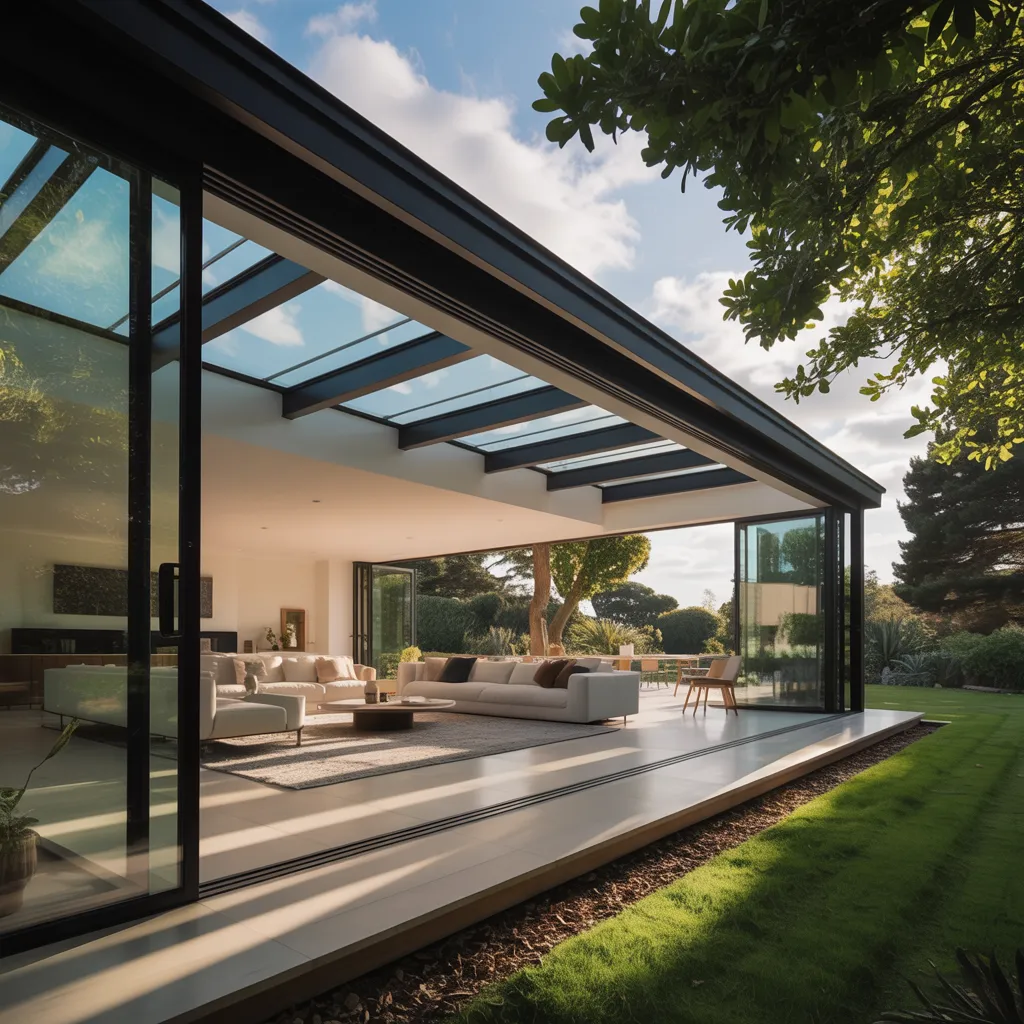
How Roof Lanterns Illuminate Your Space and Save Energy
Many homeowners are discovering how roof lanterns can greatly enhance natural light in their spaces while promoting energy efficiency. These building elements allow sunlight to extend further into interiors, lessening dependence on artificial lighting during the day. As a result, homes become more illuminated and more engaging, establishing a warm atmosphere for family events and daily activities.
Moreover, roof lanterns can significantly help to reducing energy consumption. By harnessing natural light, they reduce electricity bills and minimize the carbon footprint. Enhanced daylight also aids in regulating indoor temperatures, reducing the need for heating and cooling systems.
The strategic placement of roof lanterns can enhance light distribution, ensuring even brightness throughout the room. With multiple styles available, homeowners can effortlessly incorporate these features into their existing architecture, enabling a harmonious blend of aesthetics and practicality. Ultimately, roof lanterns constitute a eco-friendly option for modern living spaces.
Picking the Appropriate Look for Your Home
Picking the right style of roof lantern is critical for enhancing a home's aesthetic. Compatibility with the architectural style and thorough consideration of material and finish options can significantly influence the overall appearance and character. Careful selections in these areas ensure that the roof lantern complements discover this the existing design while providing practical advantages.
Building Style Compatibility
Picking the right architectural style for a roof lantern can significantly improve the overall appearance of a home. Ensuring compatibility with existing architectural features is essential; for example, a minimalist lantern fits well with contemporary designs, while ornate styles harmonize with traditional homes. Victorian or Edwardian properties benefit from decorative lanterns that reflect their historical details, producing a cohesive look. On the other hand, a sleek roof lantern suits contemporary builds, showcasing clean lines and spacious interiors. Bungalows or craftsman-style homes tend to prefer lanterns that use natural materials and simpler forms, complementing their rustic charm. Ultimately, choosing a roof lantern that matches the home's style not only improves the appearance but also supports architectural unity and character.
Material and Finish Varieties
While investigating material and style selections for roof lanterns, homeowners must evaluate how these selections shape both aesthetics and functionality. Popular materials comprise aluminum, timber, and uPVC, each delivering distinct advantages. Aluminum is lightweight and resistant to corrosion, establishing it as a sturdy option for modern designs. Timber, while refined and cozy, requires regular maintenance to safeguard its beauty. uPVC delivers a cost-effective substitute, delivering easy care without compromising on style.
Finish options, such as powder coating or anodizing for aluminum, enhance durability and allow for varied color options. Wood finishes can extend from natural stains to decorated surfaces, offering adaptability. Ultimately, choosing the correct component and finish not only elevates the roof lantern's visual appeal but also assures lifespan and performance in any home setting.
Key Advice for Putting in Your Roof Lantern
Installing a roof lantern can revolutionize a space, filling it with daylight and improving its overall aesthetic. To ensure a successful installation, thorough preparation is necessary. First, assess the structural soundness of the roof to bear the lantern's weight. Next, choose the appropriate dimensions and design that matches the existing architecture.
Prepare all required tools and materials before installation. Adequate sealing is vital to stop leaks; use premium silicone or flashing tape along the edges. It is advisable to work with a partner, as handling large panels can prove cumbersome. Additionally, confirm that the lantern is properly positioned with the roof's pitch to facilitate drainage.

Finally, think about the placement of electrical wiring if adding lighting. Adhering to these tips will produce a well-installed roof lantern that enhances both light and style, establishing a welcoming atmosphere in any space.
Caring for Your Roof Lanterns: Strategies for Enduring Results
Maintaining skylights is important for ensuring their long life and optimal performance. Routine cleaning is essential; dirt and debris can reduce light and alter appearance. Homeowners should apply a soft cloth and a mild detergent to protect the glass surface. Periodic inspection of seals and joints helps prevent leaks that could cause interior damage. If any deterioration is detected, timely repairs can save costly replacements later.
Furthermore, making sure adequate drainage around the lantern prevents water accumulation, which can cause damage to the structure. During changing seasons, checking for any damaged connections or structural soundness is advantageous. It's also advisable to cut back surrounding foliage to minimize debris buildup. Finally, thinking about expert upkeep every few years can provide a comprehensive evaluation and maintenance that ensures the roof lantern remains a functional and beautiful feature of the home for years to come.
Inspiring Conversions With Roof Lanterns
Why should ceiling lanterns transform a space into a stunning focal point? These design elements enhance both aesthetics and functionality, allowing natural light to stream into interiors while producing a sense of lightness. By installing a skylight lantern, homeowners can greatly improve the ambiance of living areas, kitchens, or even hallways.
Today's modern designs cater to many different design tastes, from sleek minimalism to ornamental classic designs. This diversity shows roof lanterns can seamlessly integrate into any home, displaying personal style while enhancing property value.
Alongside their pleasing design, roof lanterns present practical benefits. They optimize air flow and lessen dependence on artificial lighting, advancing an eco-friendly living environment.
Ultimately, the strategic arrangement of a roof lantern can ignite changes that turn ordinary spaces into extraordinary ones, making them not just functional, but also enchanting places where families can unite and establish cherished moments.
Standard Blunders to Dodge When Going With Roof Lanterns
Picking the ideal window light can greatly shape the general effectiveness of the makeover driven by these structural elements. A common oversight is ignoring size; an excessively large lantern can overwhelm a space, while one that is insufficient may fail to provide adequate light. Additionally, many fail to recognize the importance of materials. Choosing substandard materials can create complications with durability and energy efficiency.
A frequent error is ignoring the aesthetic of the current structure. A skylight that clashes with the home's design can disrupt aesthetic balance. Moreover, failing to consider the orientation and placement can lead to inadequate daylight at specific hours. Finally, failing to hire experts or relying solely on DIY solutions can lead to improper installation, undermining both aesthetics and functionality. By steering clear of these mistakes, property owners can guarantee their skylights enhance their living spaces successfully.
Frequently Asked Questions
Can Roof Lanterns be Installed on Flat Roofs?
Roof lanterns are undoubtedly fitting for flat roofs. They grant ambient light and ventilation, enhancing the aesthetics of the space while confirming proper water drainage and structural robustness, making them a versatile choice for such designs.
What Materials Are Roof Lanterns Commonly Manufactured From?
Roof lanterns are commonly made from materials like aluminum, uPVC, and glass. These picks ensure longevity, energy efficiency, and aesthetic appeal, facilitating a blend of modern design and practical use in various architectural settings.
Do Attic Skylights Function in Low Temperature Areas?
Yes, roof skylights can be used in cold climates. Proper insulation and premium construction materials ensure energy efficiency and longevity, enabling them to endure harsh weather conditions while providing natural light and aesthetic appeal.
How Do Roof Lanterns Affect Home Resale Price?
Roof lanterns generally enhance home market value by increasing natural light and visual attractiveness. Prospective purchasers regularly value the added design appeal, rendering homes with such features more sought-after in competitive real estate markets.
What high-efficiency options are offered for roof lanterns?
Certainly, energy-saving solutions are offered for roof lanterns. Numerous producers provide models featuring double or triple glazing and low-emissivity coatings, which lessen heat loss and enhance overall thermal efficiency in homes.